Personal Protective Equipment (PPE) stories
Employers in Australia and New Zealand are being urged to tighten protections, after studies linked welding fume to a 43% higher lung cancer risk.
Fire crews can now practise dangerous bushfire scenarios more safely and cheaply, without toxic foam or live flames, using virtual reality.
Poor training and weak workplace procedures can leave employees exposed to avoidable injuries, from unsafe machinery to missed breaks and hazards.
Regular safety audits are helping construction firms lift compliance, with Site Safe warning many still lag on new hazard rules and reporting.
A North Island firm has been fined and ordered to pay reparation after an untrained worker was left paralysed in a boom lift fall.
Cold conditions can dull judgement and strength, raising the risk of injuries unless crews warm up, layer up and take breaks.
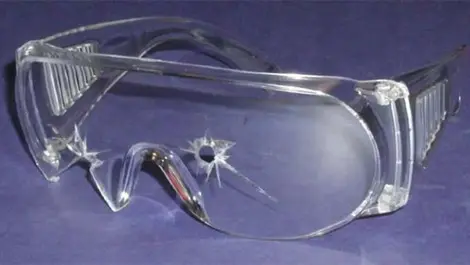
WorkSafe says the case shows enforceable undertakings can fund reparation, training and industry changes after a worker lost an eye in 2016.
Nearly 80,000 workers die each year in the EU from carcinogen exposure, much of it preventable with better controls and training.
Construction workers face a hidden lung-disease threat as poor dust controls and weak monitoring leave many exposed to silica and wood dust.
Poor ventilation and missing protective gear left workers exposed to solvent vapours that can cause unconsciousness and death in minutes.
Workplaces that rely on a single dust reading or PPE could miss airborne hazards, WorkSafe New Zealand warns, risking worker illness.
Safety failures exposed in two separate incidents that left one worker dead and another badly injured, WorkSafe said.
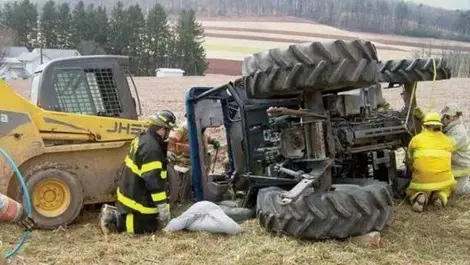
Nearly 550 farmers were injured and three died on farms last summer, with vehicles and sun exposure among the biggest dangers.
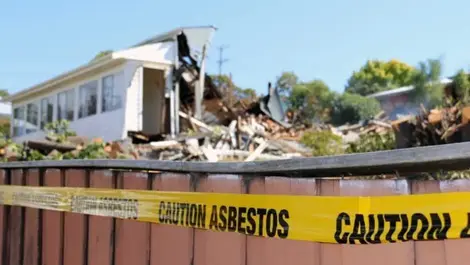
A Christchurch builder has been fined after admitting the first prosecution under New Zealand's new asbestos rules, following unsafe demolition work.
Health and safety innovations from construction firms drew recognition in Auckland, with record Site Safe graduation numbers also announced.
Thirteen finalists have been shortlisted for national recognition after a record number of entries to the 2018 Site Safe awards.
WorkSafe says roll cages can protect side-by-side occupants, but three fatal incidents show unbelted drivers and passengers remain at risk.
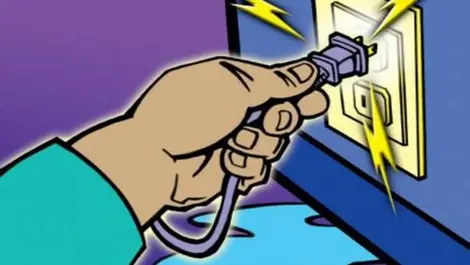
Electrical hazards cause thousands of US deaths and billions in damage each year, making regular checks vital for office safety.
Complacency over scissors and box cutters is helping drive preventable cuts and lacerations, even in offices and other low-risk workplaces.
Drivers with implanted cardiac devices face no apparent risk from electric cars, which showed no electromagnetic interference in a 108-patient test.